
How watch prices are made: retail allocation, the grey market, auctions and the 2022 correction. Which references hold, which fall and how to build a collection that means something.
In short
- Steel sports models from Rolex, Patek and Audemars Piguet trade above retail; almost everything else loses value at first.
- The 2022 peak and the correction that followed taught the market to value condition, papers and rarity over hype.
- Collect a theme, not a list of trophies: a decade, a maker, a complication. Themes make collections, trophies make inventories.
Three markets, three prices
A watch has a retail price, a secondary price and an auction price. Retail is what the brand charges through authorised dealers, and for hot models it is the lowest of the three, because allocation is limited. The secondary market (dealers, platforms, private sales) sets the real market price. Auctions set the prices for rarities, vintage and provenance, and they set the headlines.
What happened in 2022
Between 2020 and early 2022, secondary prices for steel Rolex, Patek Nautilus and Royal Oak references roughly doubled, fuelled by cheap money and scarcity. Then they fell, in some cases by a third, and stabilised at levels still above retail. The lesson: hype models are liquid but volatile, and a watch bought at the peak of a hype cycle can take years to break even.
What holds value
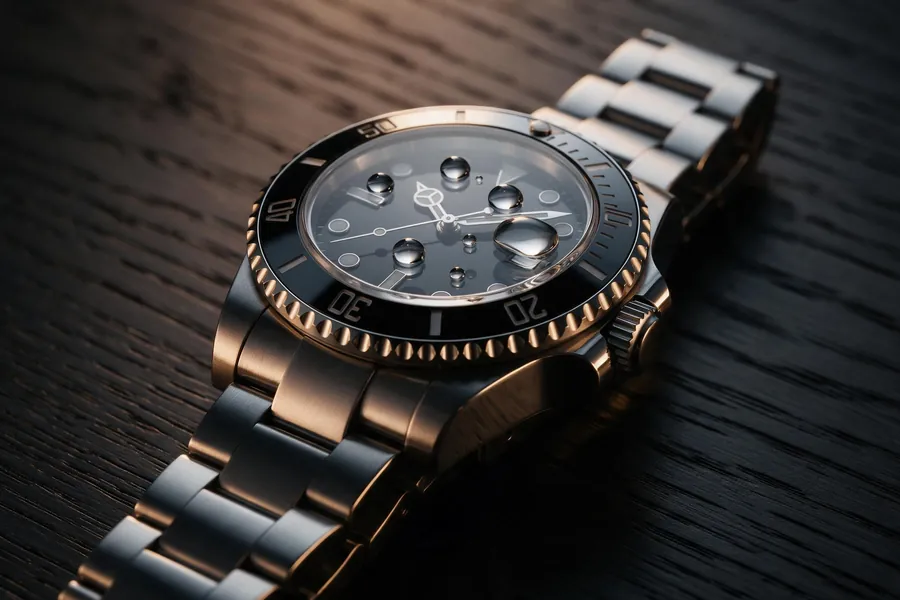
Steel sports icons from the top three houses. Discontinued references in good condition with box and papers. Limited editions from brands with real collector followings (Speedmaster limited editions, certain Tudors). Independent watchmakers with small production: F.P. Journe, Philippe Dufour, Kari Voutilainen, Rexhep Rexhepi. Vintage pieces with original dials and documented histories.
What does not
Most precious-metal watches from mainstream brands lose 30 to 50 percent at the first resale. Fashion-brand watches lose more. Heavily used hype models without papers trade at a discount that surprises their owners. A polished vintage case loses its value the moment it leaves the polisher.
Condition and papers
Full set (box, papers, warranty card, hang tags) adds 10 to 20 percent. Unpolished cases with original bezels and dials are what serious buyers want. Service history from the manufacture helps; service history from an unknown workshop can hurt. Keep everything, photograph everything, and store the watch wound and dry.
Building a collection
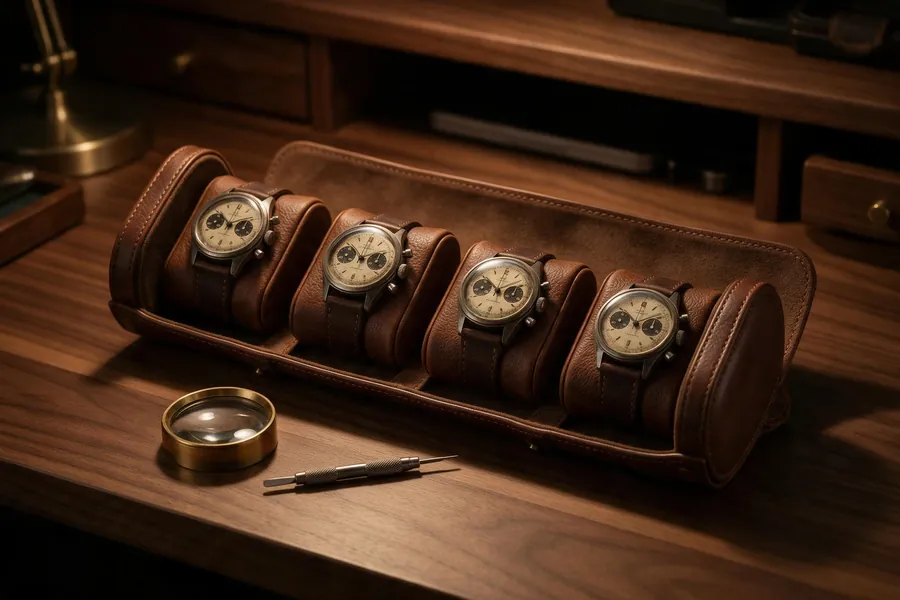
The collections that give the most pleasure and hold the most value are built around a theme: chronographs of the 1960s, dress watches from the independents, one watch from each decade of a single brand. A theme gives you a reason to say no, and saying no is how collections stay good. Buy the best example you can afford rather than three average ones, and buy what you would keep if the market vanished tomorrow.
Try it yourself
Watch FinderBudget, style, size and how you will wear it: a shortlist of three watches from thirty references, with prices and reasons.Luxury Year PlannerTravel, hotels, dining, wardrobe, watches, cars, wellness and gifts: build your luxury year and see the total, then share it.Questions people ask
Are watches a good investment?
A few references from a few brands have outperformed markets over the past decade. Most watches lose value. Treat appreciation as a bonus, not a plan.
What does full set mean?
The watch with its original box, warranty card or papers, booklets and tags. Full sets sell faster and higher.
Should I polish a vintage watch?
No. Original, unpolished cases are worth significantly more to collectors. Have it cleaned and serviced, not polished.
Share