
The Submariner, the Speedmaster, the Royal Oak, the Nautilus, the Reverso, the Tank, the Navitimer and the Datejust: why each one became the reference for its category and what it costs today.
In short
- An icon is a watch that other watches are compared to. That status protects its value.
- Steel sports icons are the most liquid: easy to buy, easy to sell, worn everywhere.
- Dress icons like the Tank and the Reverso cost less, look better with a suit and are far easier to find at retail.
What makes an icon
An icon is a watch that has stayed in production, kept its design language and become the benchmark others are measured against. That combination of continuity and demand is why icons hold value: the market knows exactly what they are, and there is always someone looking for one.
Rolex Submariner
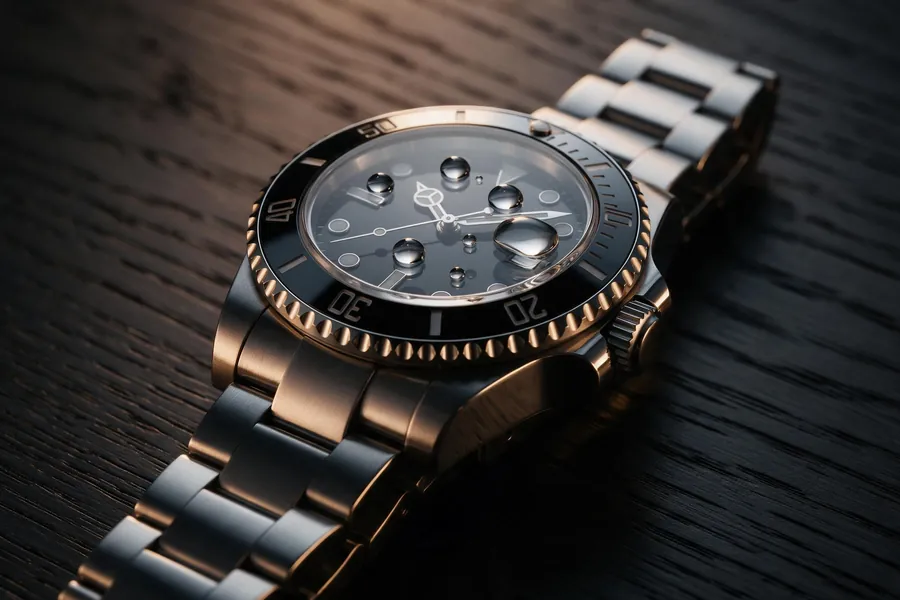
The dive watch that every dive watch copies. Since 1953: rotating bezel, luminous markers, Oyster case, and today a 41 mm case with the calibre 3235. Indicative retail around 10,000 dollars for the Date model; secondary prices run above retail because supply is managed tightly.
Omega Speedmaster Professional
The Moonwatch, worn on the lunar surface in 1969 and still hand-wound today. The most honest chronograph in the business, with an enormous vintage market. Indicative retail around 7,000 to 8,000 dollars, and unlike most icons it is available at retail.
Audemars Piguet Royal Oak and Patek Philippe Nautilus
Both designed by Gérald Genta in the 1970s, both made luxury steel a category. The Royal Oak with its octagonal bezel and integrated bracelet starts in the high twenties at retail; the Nautilus, now in the 5811 white-gold reference, is in the seventies. Both trade far above retail on the secondary market.
Jaeger-LeCoultre Reverso and Cartier Tank
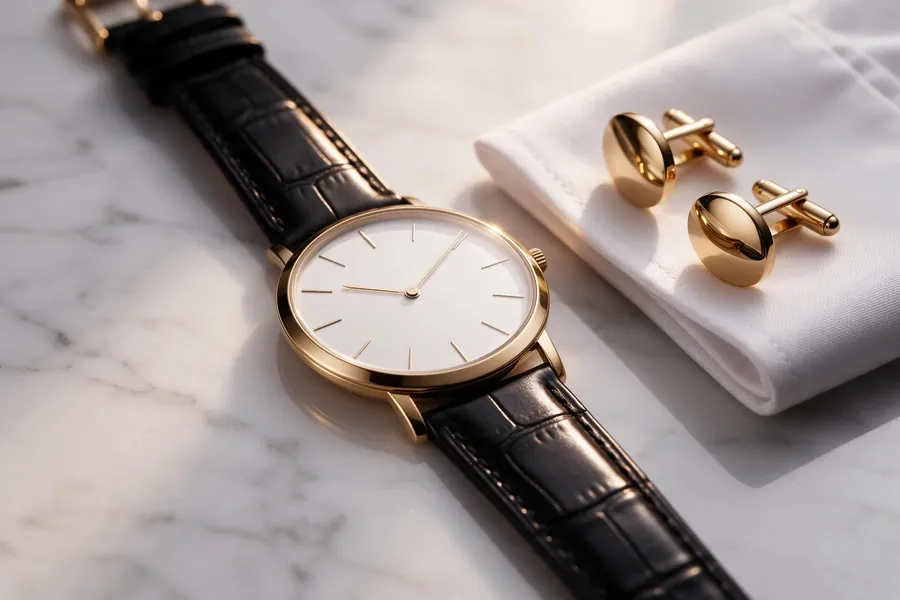
The two great rectangular watches. The Reverso (1931) flips to protect its dial; the Tank (1917) is the purest dress watch ever drawn. Both are available, both cost a fraction of the sports icons (roughly 3,500 to 12,000 dollars depending on size, metal and movement) and both look better with a jacket than anything on a bracelet.
Breitling Navitimer and Rolex Datejust
The Navitimer is the pilot’s chronograph with the slide-rule bezel, unchanged in spirit since 1952 and now around 9,000 to 10,000 dollars. The Datejust is the everyday watch: date window, cyclops lens, jubilee bracelet, in 36 or 41 mm, from around 8,000 dollars. It is the watch most people should actually buy, and the one collectors come back to.
How to use this list
If you want one watch to wear for life, the Datejust, Speedmaster or a Tank are honest choices available today. If you want a watch that is also an asset, a Submariner or a Royal Oak from an authorised dealer is the right one, with the caveat that waiting lists are real and secondary prices carry a premium.
Try it yourself
Watch FinderBudget, style, size and how you will wear it: a shortlist of three watches from thirty references, with prices and reasons.Questions people ask
Which iconic watch is easiest to buy at retail?
The Omega Speedmaster, the Cartier Tank and the Jaeger-LeCoultre Reverso are generally available. Steel Rolex, Royal Oak and Nautilus models have waiting lists.
Do iconic watches hold their value?
Better than almost any other consumer product. Steel sports icons often resell at or above retail; dress icons lose a little and then stabilise.
What size should an iconic watch be?
Between 36 and 41 mm suits most wrists. Try the watch under a shirt cuff before deciding.
Share