
Haute couture is a legally protected term with strict rules: an atelier in Paris, hand-made pieces fitted to the client and two collections a year. Who qualifies, what a dress costs and how a client is dressed.
In short
- Only around fifteen houses are official members of the Chambre Syndicale de la Haute Couture; the rest are guests or correspondents.
- A couture dress takes 150 to 1,000 hours of handwork and costs from about 40,000 dollars to well into six figures.
- Couture is fitted on the client over three fittings and made in a Paris atelier. Ready-to-wear, however expensive, is not couture.
A protected term
In France, haute couture is a legal designation. To use it, a house must be approved by the Fédération de la Haute Couture et de la Mode, design made-to-order pieces for private clients with at least one fitting, keep an atelier in Paris that employs at least fifteen full-time staff and twenty technical workers, and present at least fifty original designs twice a year in January and July. Chanel, Dior, Givenchy, Schiaparelli, Jean Paul Gaultier (now guest-designed), Alexis Mabille, Franck Sorbier and a few others are members. Valentino, Armani Privé, Elie Saab, Fendi and Giambattista Valli show as correspondent or guest members.
What a dress involves
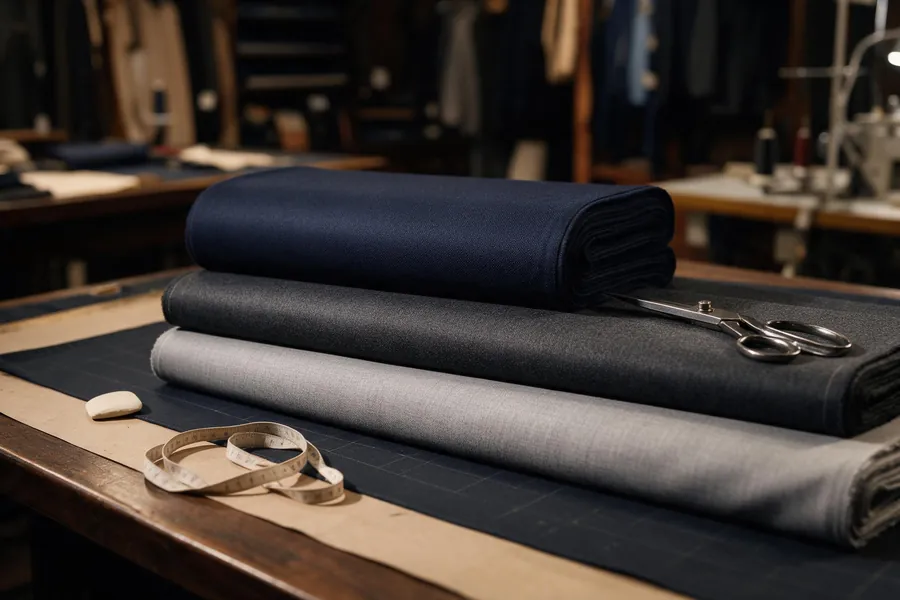
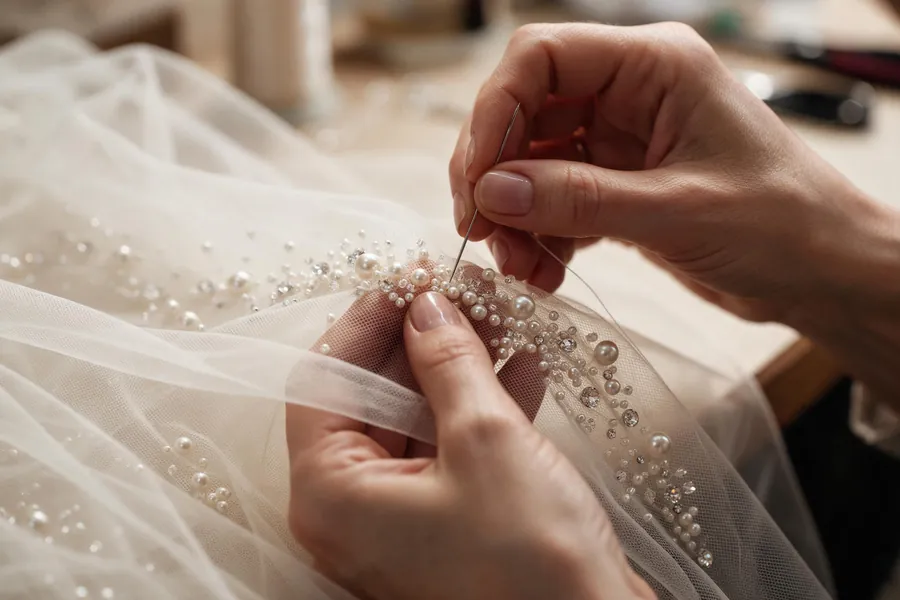
A couture dress begins with a toile in cotton, fitted to the client. The final garment is cut in the chosen fabric and constructed largely by hand: seams, hems, boning, linings. Embroidery is sent to specialist ateliers such as Lesage or Montex, where beads, sequins, feathers and thread are applied one by one. Three fittings are usual. A day dress can take 150 hours; an embroidered gown, over 1,000.
What it costs
Prices are rarely published. A simple couture day look starts around 40,000 dollars; a suit is in the range of 60,000 to 100,000; an evening gown with embroidery runs from 100,000 into the many hundreds of thousands. The houses have, at most, a few thousand couture clients worldwide.
How clients are dressed
A client sees the collection in person or through a house vendeuse, chooses a look and is measured. The house builds the toile, fits it in Paris or sends a team to the client, and delivers the finished piece in weeks or months. Clients keep their measurements on file, so later pieces fit faster. Discretion is total.
Why it matters even if you never buy it
Couture is the laboratory. Silhouettes, embroidery techniques and fabric developments appear there first and filter into ready-to-wear a season or two later. The ateliers keep crafts alive that would otherwise disappear. And the shows in January and July remain the most beautiful thing fashion does.
Couture-adjacent
If you want handwork without the couture price, look at demi-couture programmes (some houses will adjust and personalise ready-to-wear), at bespoke evening wear from smaller ateliers in Paris, Milan and London, and at vintage couture at auction, where a 1960s Balenciaga or a 1980s Saint Laurent gown can cost less than a new ready-to-wear dress.
Try it yourself
Gift FinderWho it is for, the occasion and the budget: five luxury gift ideas that land, from a candle to a watch.Questions people ask
How much does a haute couture dress cost?
From roughly 40,000 dollars for a simple day look to several hundred thousand for an embroidered evening gown.
Can anyone buy haute couture?
In principle yes, through the house’s couture salon. In practice, houses maintain client lists and prioritise long-standing customers.
What is the difference between couture and ready-to-wear?
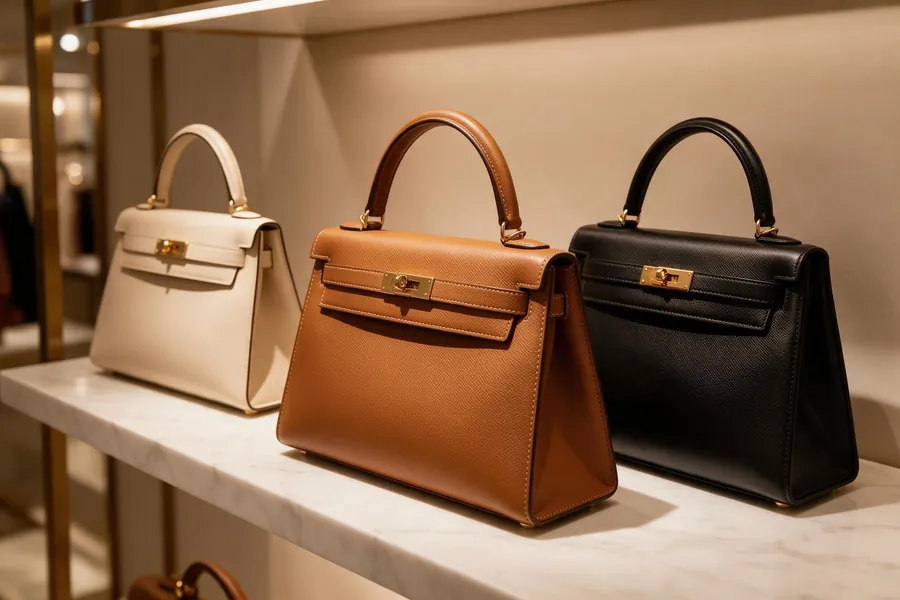
Couture is made by hand to the client’s measurements in a Paris atelier; ready-to-wear is produced in standard sizes for boutiques.
Share