
Tokyo has more starred restaurants than any city on earth, the Aman and the new Bulgari and Janu, Ginza for the houses and the department stores. Kyoto has the ryokans, the temples and the craft. Niseko has the lightest snow in the world and a property boom to match.
Stay
- Aman Tokyo, Bulgari Tokyo, Janu Tokyo
- Hoshinoya Tokyo
- Aman Kyoto, the Ritz-Carlton Kyoto, Tawaraya ryokan
- Park Hyatt Niseko, Setsu Niseko
Shop
- Ginza for every house and the department stores
- Omotesando and Aoyama for architecture and fashion
- Kyoto for ceramics, textiles, knives and lacquer
- Dover Street Market Ginza
Dine
- Sushi Saito, Sukiyabashi Jiro, Narisawa, Tokyo
- Kikunoi and Hyotei, Kyoto
- A kaiseki dinner at a ryokan
- Yakitori under the tracks in Yurakucho
Gavalia’s rules
- Book the great sushi and kaiseki restaurants through your hotel concierge months ahead; many take no direct bookings from abroad.
- Niseko’s property market is driven by Hong Kong, Singapore and Australian buyers; the powder is real and so is the winter-only income.
- Cash is still common, tipping is not, and punctuality is a form of respect.
Tokyo
The largest city in the world is also the most refined: Ginza for the flagships and the department-store food halls, Omotesando for the architecture, Roppongi for the art and the Aman and Janu, Nihonbashi for the old merchants. Tokyo has more Michelin stars than Paris and the best of them are eight-seat counters where a meal is a performance. The hotels are exceptional and the service is a national art.
Kyoto
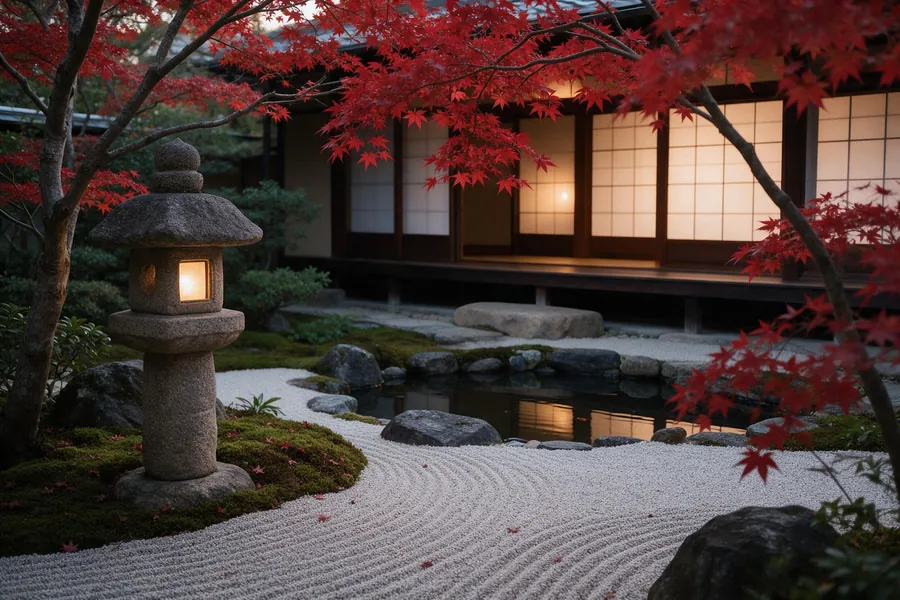
The old capital keeps the crafts: Nishijin weaving, Kiyomizu ceramics, lacquer, knives, tea. A night at Tawaraya or Hiiragiya, the oldest ryokans, is the most complete hospitality experience on earth. Aman Kyoto sits in a forest garden; the Ritz-Carlton on the Kamo river. Go in November for the maples or April for the blossom, and go early in the morning to the temples.
Niseko
Hokkaido’s powder is the lightest and most reliable in the world, and Niseko has become the Asian Aspen: Park Hyatt, Setsu, Ritz-Carlton Reserve, chalets from Hong Kong and Singaporean developers, restaurants that would hold their own in Tokyo. The season is December to March; the summer is green, empty and cheap.
Craft
Japan makes the best of many things: denim in Okayama, knives in Sakai, whisky in Hokkaido and Yamazaki, watches from Grand Seiko in Shizukuishi, ceramics everywhere. The luxury here is in the making, and visiting the makers is the trip.
The property market
Tokyo prime (Minato, Chiyoda) 15,000 to 30,000 dollars per square metre; Niseko chalets and condominiums 10,000 to 20,000; Kyoto machiya townhouses from 1 to 5 million dollars. No restrictions on foreign ownership.
Try it yourself
Destination MatcherMonth, mood and budget: the three countries or regions that fit, with the season and the hotels.Villa Cost CalculatorPurchase price and country: taxes, fees, annual running costs and the ten-year total, with rental income if you let it.Questions people ask
Can foreigners buy property in Japan?
Yes, without restriction and with the same rights as citizens. Purchase costs are around 5 to 7 percent; annual property tax about 1.7 percent of the assessed value, which is well below market.
When is the best time to visit Japan?
Late March to early April for cherry blossom, mid-October to late November for autumn colour, January and February for skiing in Niseko.
Where do the wealthy stay in Tokyo?
Aman Tokyo in Otemachi, Bulgari Tokyo in Yaesu, Janu in Azabudai Hills, the Peninsula and the Palace Hotel by the Imperial Palace.
Share