
Clean beauty has no legal definition. Which claims are meaningful, which are marketing, and which luxury brands combine formulation science with transparent sourcing and real sustainability.
In short
- Clean is not a regulated term. Look for full ingredient disclosure, third-party certifications and published sourcing instead.
- Natural is not safer and synthetic is not harmful. Fragrance-free and well-preserved products suit sensitive skin better than most natural ones.
- Tata Harper, Augustinus Bader, Dr. Barbara Sturm, Vintner’s Daughter, Susanne Kaufmann and Aesop show what considered luxury looks like.
An unregulated word
Clean beauty is a marketing category, not a legal one. Each brand defines its own list of excluded ingredients. Some lists are sensible (no undisclosed fragrance allergens, no microplastics); some are fear-based (excluding well-studied preservatives that keep products safe). Read what a brand does rather than what it says it avoids.
What is worth looking for
Full ingredient lists with percentages of key actives. Third-party certifications where relevant: COSMOS or Ecocert for organic claims, Leaping Bunny for cruelty-free, B Corp for company-wide standards. Published sourcing for plant ingredients. Recyclable or refillable packaging with a take-back scheme. Formulas tested for stability and preservation, because an unpreserved cream in a jar is a microbiology experiment.
Natural versus synthetic
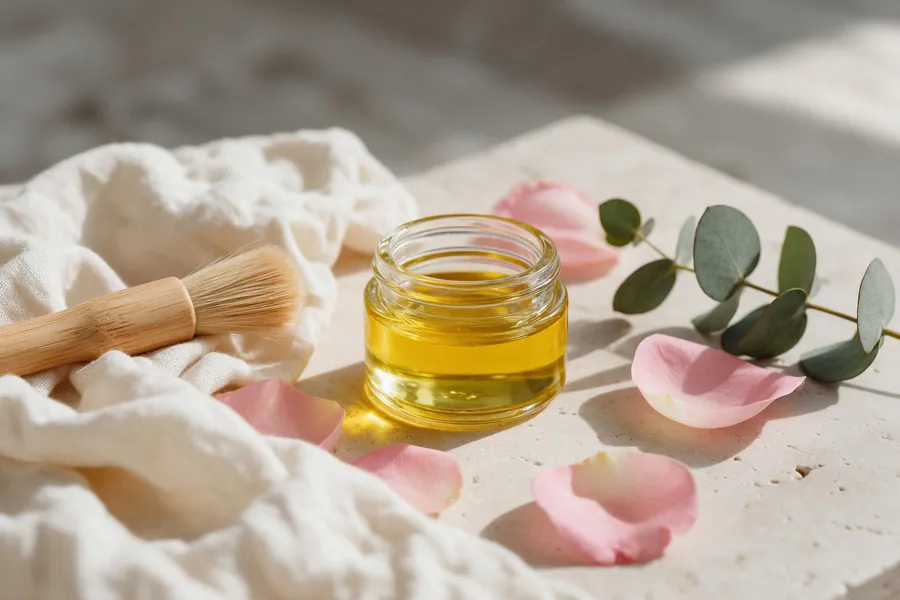
Natural ingredients can be excellent (plant oils, botanical extracts, clays) and can also be the most common allergens in a formula (essential oils, fragrance components). Synthetic ingredients can be gentler and more consistent (lab-made hyaluronic acid, ceramides, peptides). Sensitive skin usually does best with fragrance-free, minimal formulas regardless of origin.
The luxury brands that get it right
Tata Harper makes everything on its own farm in Vermont with full traceability. Augustinus Bader pairs a patented complex with minimalist formulas and refillable packaging. Dr. Barbara Sturm focuses on anti-inflammatory ingredients with clear science. Vintner’s Daughter makes one famous serum from whole plants. Susanne Kaufmann uses Alpine botanicals with pharmaceutical standards. Aesop combines plant-based and lab-made ingredients openly and honestly. None of these needs the word clean; they simply show their work.
Sustainability at the top
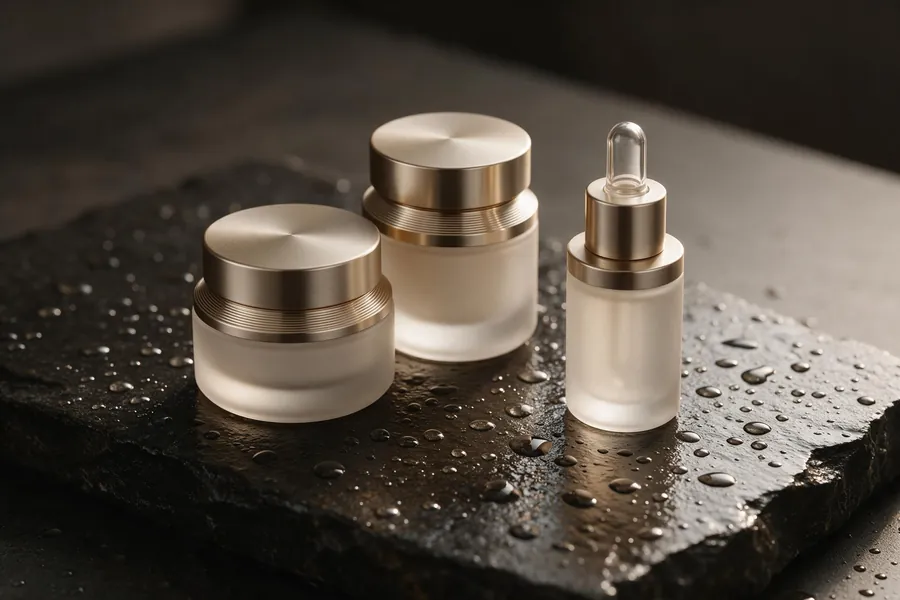
The real sustainability questions are packaging (glass and aluminium over plastic, refills over single-use), sourcing (regenerative farming, fair trade), water use and transport. Luxury brands are well placed to lead because their margins allow it. Refillable systems from La Mer, Guerlain, Sisley and Hermès Beauty are a start.
A simple test
If a product tells you what it contains and why, backs its claims with data and packages itself responsibly, it is clean in the only sense that matters. If it mostly tells you what it does not contain, keep reading.
Try it yourself
Gift FinderWho it is for, the occasion and the budget: five luxury gift ideas that land, from a candle to a watch.Questions people ask
What does clean beauty mean?
There is no legal definition. Each brand sets its own exclusion list. Meaningful signals are full transparency, third-party certification and responsible packaging.
Are natural skincare products better?
Not necessarily. Natural ingredients can be effective or irritating; synthetic ones can be gentle and stable. Sensitive skin often prefers fragrance-free minimal formulas.
Which luxury brands are truly sustainable?
Tata Harper, Augustinus Bader, Aesop and Susanne Kaufmann are frequently cited for transparent sourcing, refills and certified standards.
Share